



Bell Road Automotive repair experts blog

Post-Summer Vehicle Care

Post-Summer Vehicle Care

Phoenix drivers know that desert heat is no joke. After a record-breaking summer, your vehicle has likely endured extreme temperatures, heavy air conditioning use, and long stretches of sun exposure. As we transition into fall and the school season ramps up, monthly vehicle checks become essential—not just for performance, but for safety and reliability.

Here are five things your mechanic wishes you would check every month to keep your vehicle running smoothly in the Valley:

1. Tire Pressure and Tread

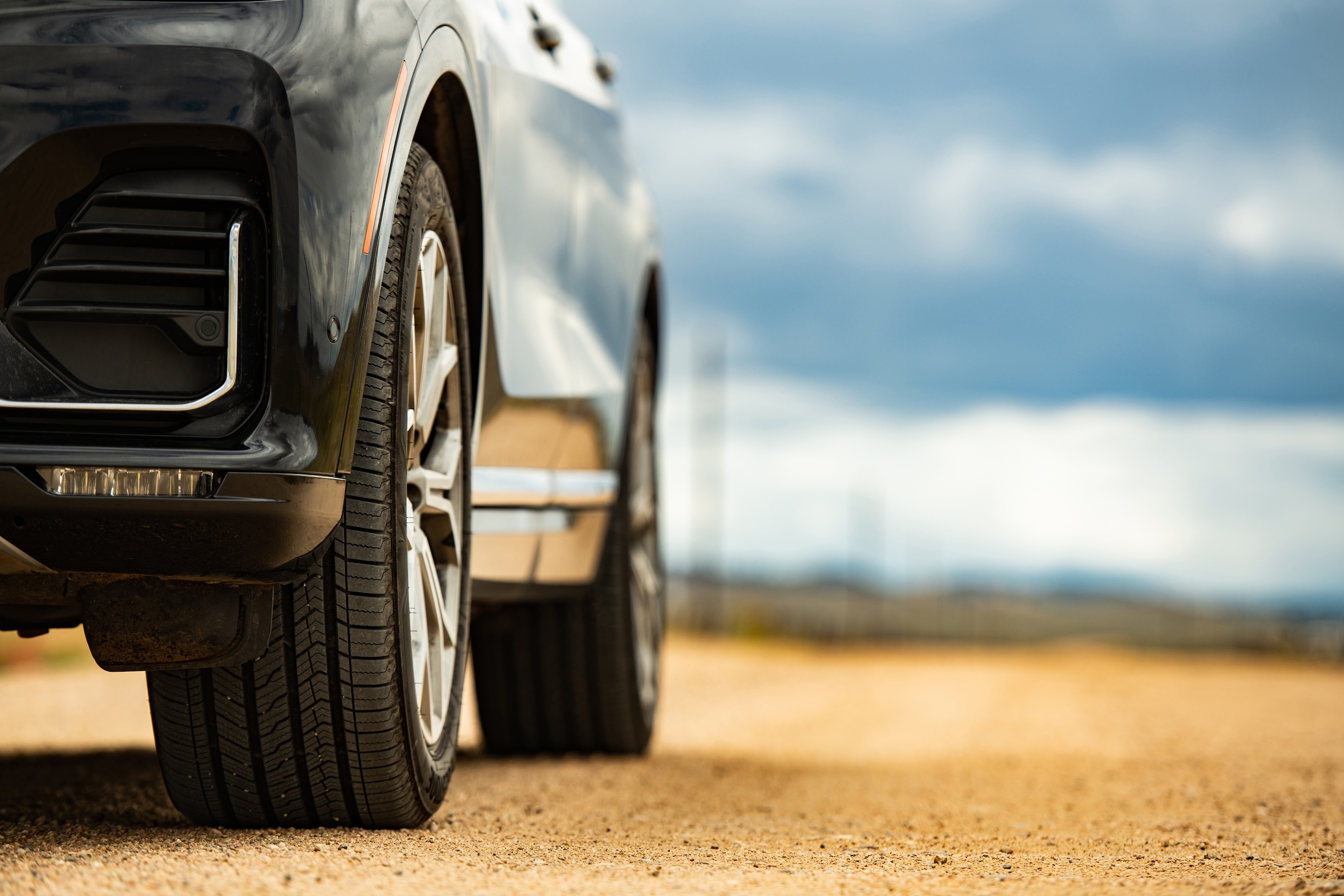
Heat causes tire pressure to fluctuate, and underinflated tires wear out faster and reduce fuel efficiency. Use a reliable gauge to check pressure monthly, especially after temperature swings. Also inspect tread depth and look for cracks or bulges—hot pavement can accelerate tire aging.

2. Battery Health

High temperatures shorten battery life by evaporating internal fluids and stressing the charging system. If your battery is more than two years old, have it tested. Look for corrosion around the terminals and ensure the connections are tight. A weak battery may leave you stranded on a busy school morning.

3. Coolant Levels

Your cooling system works overtime in Phoenix. Check the coolant reservoir monthly and top it off with the correct mixture if needed. Also inspect hoses for leaks or soft spots. Overheating is one of the most common causes of breakdowns in Arizona, and it is preventable with regular attention.

4. Oil Condition and Level

Engine oil breaks down faster in extreme heat. Check the oil level monthly and look at its color and consistency. If it appears dark or gritty, schedule an oil change. Clean oil ensures proper lubrication and helps your engine stay cool and efficient.

5. Windshield Wipers and Washer Fluid

Monsoon season may be winding down, but dust and debris are year-round issues. Check your wiper blades for cracks or stiffness and refill washer fluid to maintain visibility. A clean windshield is critical when driving through school zones or during early morning sun glare.

At Bell Road Automotive, we believe that small monthly checks can prevent major headaches. Whether you are commuting across the Valley or navigating school drop-offs, a well-maintained vehicle keeps your day on track. Stop by for a quick inspection or let us help you set up a seasonal maintenance plan tailored to Phoenix conditions. 

Summer Tire Maintenance

Summer Tire Maintenance

As temperatures climb, so does the stress on your vehicle's tires. While many drivers focus on air conditioning or engine cooling during the summer, overlooking tire maintenance could leave you flat—literally. Road heat, long drives, and fluctuating temperatures all impact your tires' condition and performance. In this month's blog post, we focus on how to care for your tires now to prevent blowouts, improve fuel efficiency, and keep your vehicle safe all season long.

Heat + Tires = Risky Business

Hot pavement can exceed 130°F on a sunny afternoon. This extreme heat causes the air inside your tires to expand, increasing pressure beyond recommended levels. Overinflation compromises tire contact with the road, affecting traction and handling. On the flip side, sudden drops in temperature - like afternoon monsoons - can cause underinflation, which leads to uneven tread wear and reduced control.

How to Check Tire Pressure

Use a digital tire gauge to check your tire pressure when the tires are cold (parked for a few hours). Compare your readings to the specs listed on your vehicle's door jamb—not the sidewall of the tire. Most manufacturers recommend between 32–35 PSI for a passenger vehicle. Keep a portable inflator handy, especially for longer trips.

Tread Depth Matters

Your tires need sufficient tread to grip the road—especially in wet summer conditions. Use the penny test: insert a penny upside-down into the tread groove. If you can see Lincoln's entire head, it's time to consider replacement. Bald or worn-out tires dramatically increase your risk of hydroplaning and extend stopping distance.

Rotate for Even Wear

Rotating your tires every 6,000 to 8,000 miles helps distribute wear evenly across all four wheels. In front-wheel-drive vehicles, front tires wear faster due to steering and braking forces. Rotation improves handling, extends tire life, and maximizes performance. Have your vehicle's alignment and balance checked as well.

Summer tire care isn't optional—it's essential. Before hitting the road for vacation or weekend drives, make tire checks part of your routine. A few minutes of attention now can save you from roadside delays and costly repairs later.

If you would like an inspection of your tires, contact the service professionals at Bell Road Automotive to schedule an appointment.

Check Engine Light

Check Engine Light

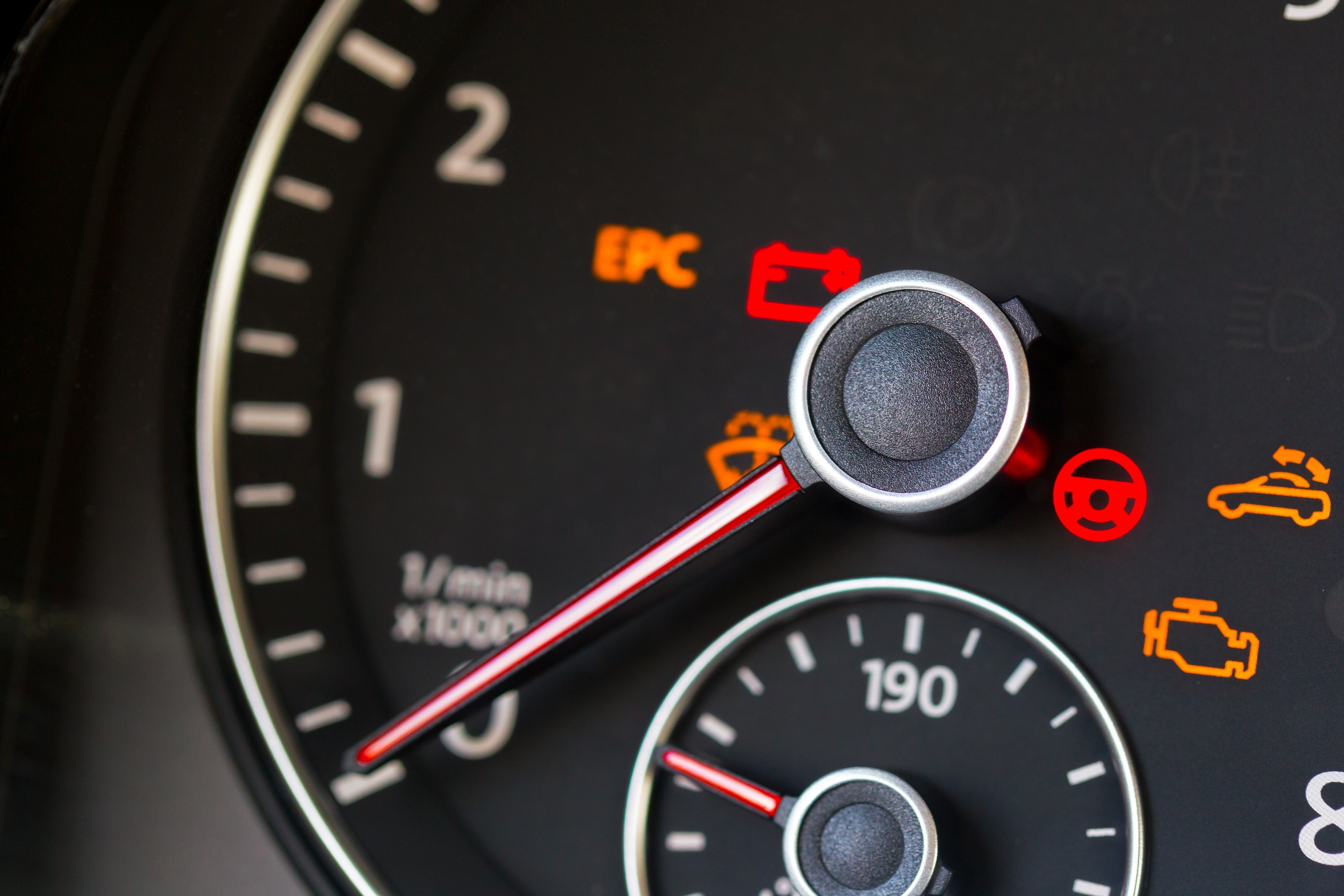
The check engine light is a significant feature in your vehicle's dashboard that should never be ignored. When it illuminates, it's your vehicle's way of telling you that something is wrong under the hood. But don't panic, in this month's blog post we explore what it means, potential causes, and how to handle it effectively.

What Does the Check Engine Light Indicate?

The check engine light is part of your vehicle's onboard diagnostics system (OBD). When the OBD detects an issue within your vehicle's engine, transmission, or emission system, it triggers the light. While some problems are minor, others may require immediate attention to avoid further damage or unsafe driving conditions.This light differs from the Service Engine Soon warning light, which typically means it is time for service for the vehicle.

Common Causes of the Check Engine Light

Here are some potential reasons this light might appear:

  • Loose or Faulty Gas Cap: A damaged or improperly tightened gas cap can cause fuel vapor leaks, which trigger the light.
  • Worn-Out Spark Plugs or Ignition Coils: These are essential for the engine's combustion process, and issues here can lead to misfires.
  • Malfunctioning Oxygen Sensor: This sensor monitors the oxygen levels in your exhaust and helps optimize fuel efficiency. A faulty sensor can cause decreased mileage and emissions problems.
  • Catalytic Converter Issues: Problems with this component can lead to reduced engine performance and increased emissions.
  • Mass Airflow Sensor (MAF) Problems: This sensor measures the amount of air entering the engine and helps regulate fuel injection. A malfunction can lead to poor engine performance.

Steps to Address the Check Engine Light

  1. Don't Ignore It: While it might not seem urgent, addressing the issue promptly can prevent bigger problems down the road.
  2. Check the Gas Cap: Start with the simplest solution—ensure the gas cap is secure and undamaged. If loose, tighten it and see if the light turns off after a few drives.
  3. Seek Professional Help: If the light continues to stay on or flashes (indicating a more serious problem), get your vehicle to a service professional as soon as possible to avoid further engine damage.

The check engine light may seem daunting, but it's ultimately a helpful tool to maintain your vehicle's health and ensure a safer ride.

Page 1 of 2