



Bell Road Automotive repair experts blog

Detecting Vehicle Issues Through Smells

Detecting Vehicle Issues Through Smells

Hot weather and long drives make summer the perfect time for road trips, but they also bring out some unpleasant vehicle smells that should not be ignored. From musty air conditioning to burning fluids, your nose can be one of your best tools for detecting vehicle issues early. In this month's blog post, we examine common summer vehicle odors and what you should do about them.

Musty A/C? Mold Might Be Lurking

If your air conditioner smells damp or musty when you turn it on, it's likely due to mold or mildew buildup in the system. Moisture collects in the air conditioning evaporator, creating the perfect environment for bacteria and mold—especially in humid summer months.

  • What to do: Try running the fan on high without A/C for a few minutes before shutting off the car. This helps dry out the evaporator. If the smell persists, replacing the cabin air filter and using an antibacterial spray on the system can help.

Burning Smell? Check Your Fluids

A burning odor under the hood can signal a fluid leak, overheating engine, or worn-out transmission. Hot weather puts extra strain on fluids, making leaks more noticeable and causing lower fluid levels to
Read more

Dashboard Warning Lights

Dashboard Warning Lights

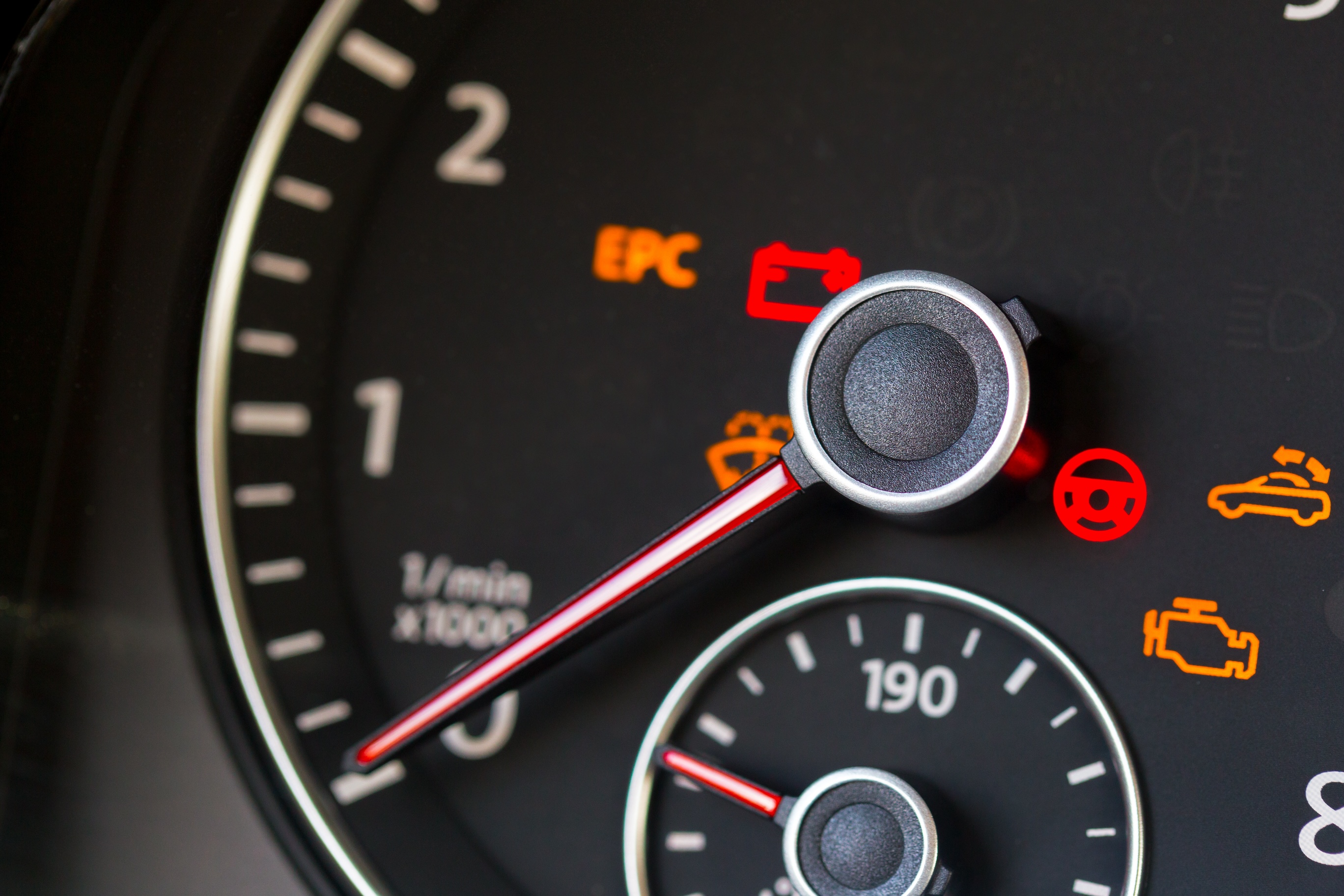
Your vehicle's dashboard is like its health monitor, flashing signals to alert you of potential issues. Understanding these warning lights can save you from costly repairs or hazardous breakdowns. In this month's blog post, we share a guide to the most common dashboard indicators and what they mean.

1. Check Engine Light

  • Meaning: This light indicates a problem with the engine or emissions system.
  • Potential Issues: A loose gas cap, faulty oxygen sensor, or a more serious engine malfunction. If it's flashing, stop driving and seek immediate assistance.

2. Battery Warning Light

  • Meaning: Signals a problem with the charging system.
  • Potential Issues: A weak or dead battery, failing alternator, loose wiring, or corrosion on terminals. If the light stays on, your vehicle may soon lose power.

3. Oil Pressure Warning Light

  • Meaning: Indicates low oil pressure, which can lead to severe engine damage.
  • Potential Issues: Low oil levels, a failing oil pump, or blocked oil passages. Stop driving and check your oil immediately.

4. Brake Warning Light

  • Meaning: Indicates an issue with the braking system.
  • Potential Issues: Low brake fluid, worn brake pads, or a malfunctioning ABS system. Brakes are crucial for safety, so have them checked promptly.

5. Coolant

Read more

Check Engine Light

Check Engine Light

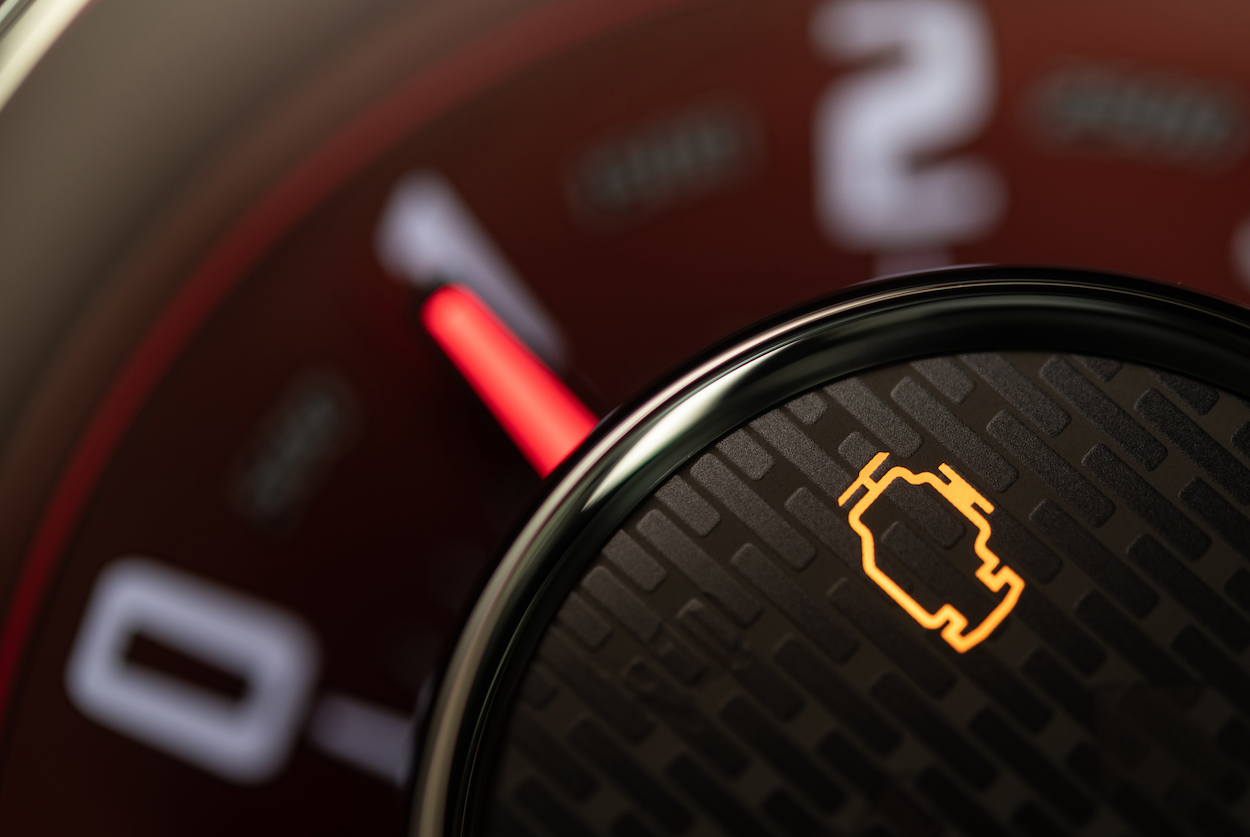
The check engine light is a significant feature in your vehicle's dashboard that should never be ignored. When it illuminates, it's your vehicle's way of telling you that something is wrong under the hood. But don't panic, in this month's blog post we explore what it means, potential causes, and how to handle it effectively.

What Does the Check Engine Light Indicate?

The check engine light is part of your vehicle's onboard diagnostics system (OBD). When the OBD detects an issue within your vehicle's engine, transmission, or emission system, it triggers the light. While some problems are minor, others may require immediate attention to avoid further damage or unsafe driving conditions.This light differs from the Service Engine Soon warning light, which typically means it is time for service for the vehicle.

Common Causes of the Check Engine Light

Here are some potential reasons this light might appear:

  • Loose or Faulty Gas Cap: A damaged or improperly tightened gas cap can cause fuel vapor leaks, which trigger the light.
  • Worn-Out Spark Plugs or Ignition Coils: These are essential for the engine's combustion process, and issues here can lead to misfires.
  • Malfunctioning Oxygen Sensor: This sensor monitors the oxygen
Read more

Page 2 of 4