


Bell Road Automotive repair experts blog

Suspension System Problems

Suspension System Problems

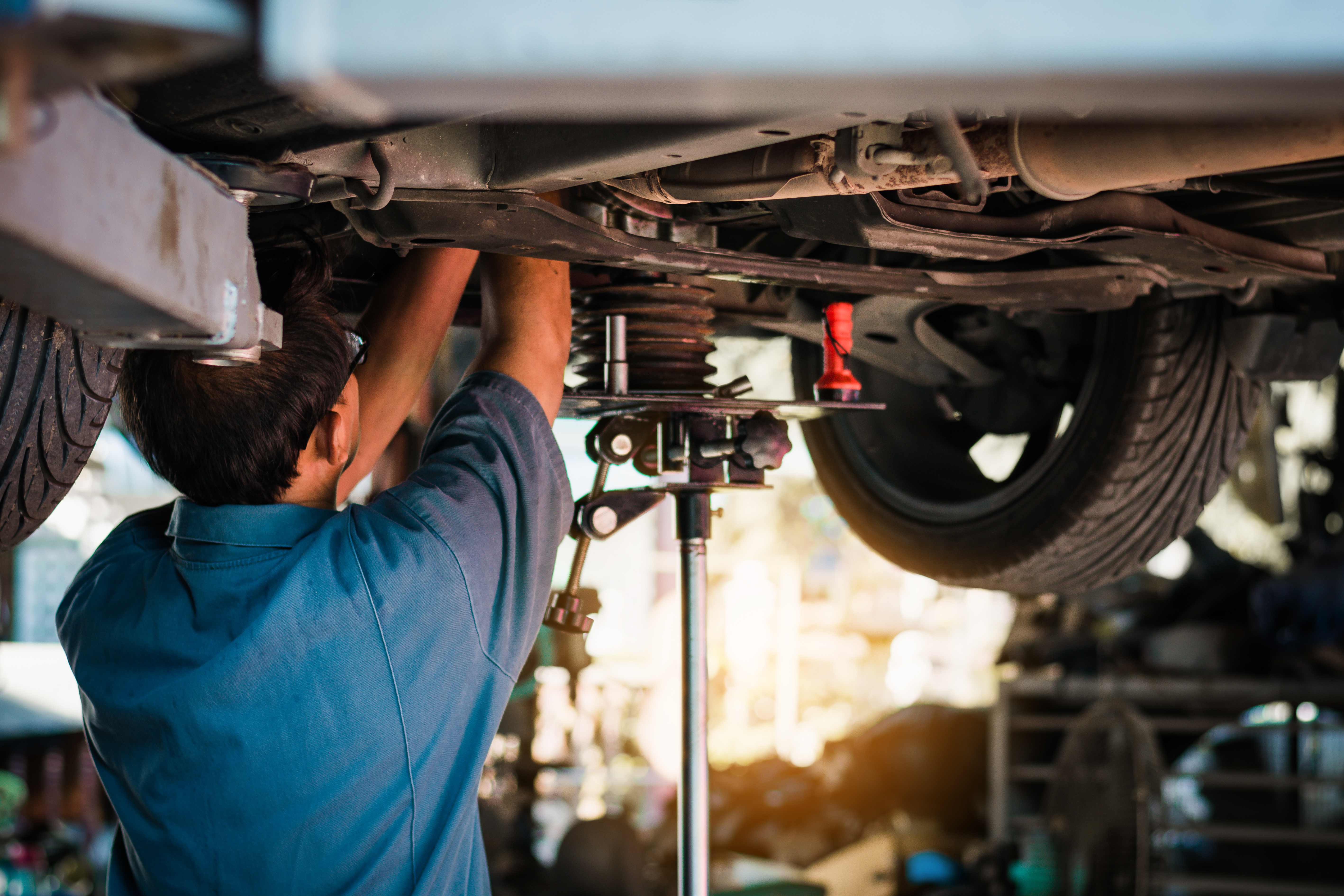
Your vehicle's suspension system is crucial for a smooth and safe ride. It absorbs shocks from the road, maintains tire contact, and ensures stability. However, like any other part of your vehicle, the suspension system can encounter issues. In this month's blog, we explore some common problems, their effects, identification methods, and solutions, along with tips for regular maintenance.

Common Suspension Issues

Worn-Out Shock Absorbers/Struts:

  • Effect: Shock absorbers and struts dampen the impact of road bumps. When they wear out, you may experience excessive bouncing, reduced stability, and longer braking distances.
  • Identification: Look for signs like continued bouncing after hitting a bump, a dipping front end when braking, or fluid leaks around the shocks or struts.
  • Correction: Replace worn-out shocks or struts. This is typically a job for a professional mechanic, as it involves lifting the vehicle and handling heavy components.

Broken or Sagging Springs:

  • Effect: Springs support the vehicle's weight and absorb large shocks. Broken or sagging springs can cause uneven ride height, poor handling, and increased tire wear.
  • Identification: If one corner of your vehicle sits lower than the others, or you hear a clunking noise when driving over bumps, your
Read more

The Importance of Wheel Balancing

The Importance of Wheel Balancing

Maintaining your vehicle's wheels in perfect balance is crucial for a smooth and safe driving experience. Wheel balancing ensures that the weight of the tire and wheel assembly is evenly distributed around the axle, eliminating vibrations and promoting a smoother ride. In this month's blog post, we look at what causes wheels to be off balance, the signs to look for, and what's involved with a wheel balancing on your vehicle.

What are the Causes and Symptoms of Wheel Imbalance?

Several factors can cause your wheels to go out of balance:

  • Manufacturing Variances: Even brand-new tires can have slight weight imbalances due to manufacturing differences.
  • Normal Wear and Tear: Over time, the tread on your tires wears down unevenly, leading to imbalances.
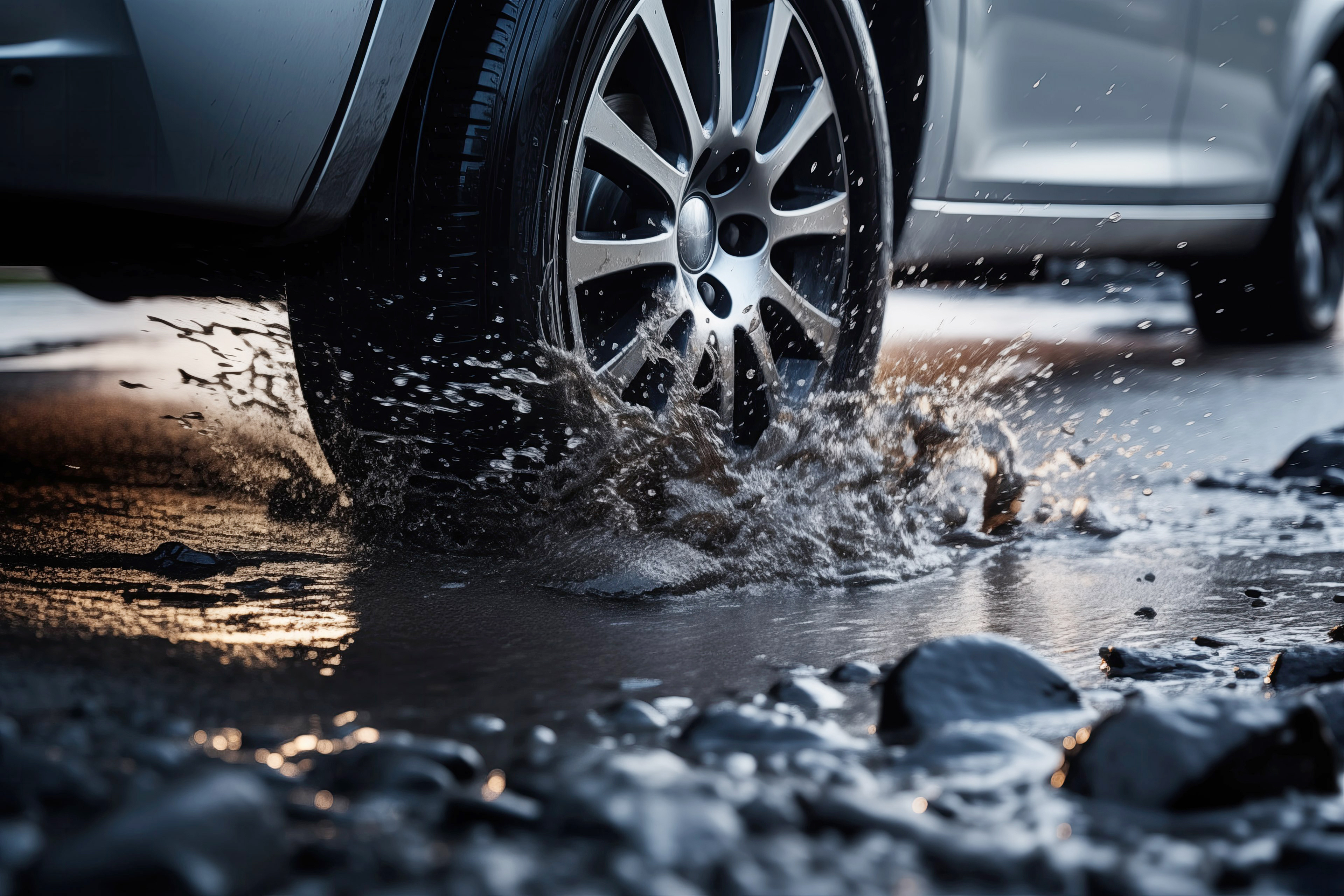
  • Road Hazards: Hitting potholes, curbs, or debris can knock your wheels out of balance.
  • Improper Installation: If tires are not mounted correctly, it can lead to imbalances.
  • Loss of Wheel Weights: The small weights used to balance wheels can sometimes fall off, causing an imbalance.

Recognizing the symptoms of unbalanced wheels can help you address the issue before it leads to more significant problems:

  • Vibrations: One of the most common signs is
Read more

Summer Oil Changes

Summer Oil Changes

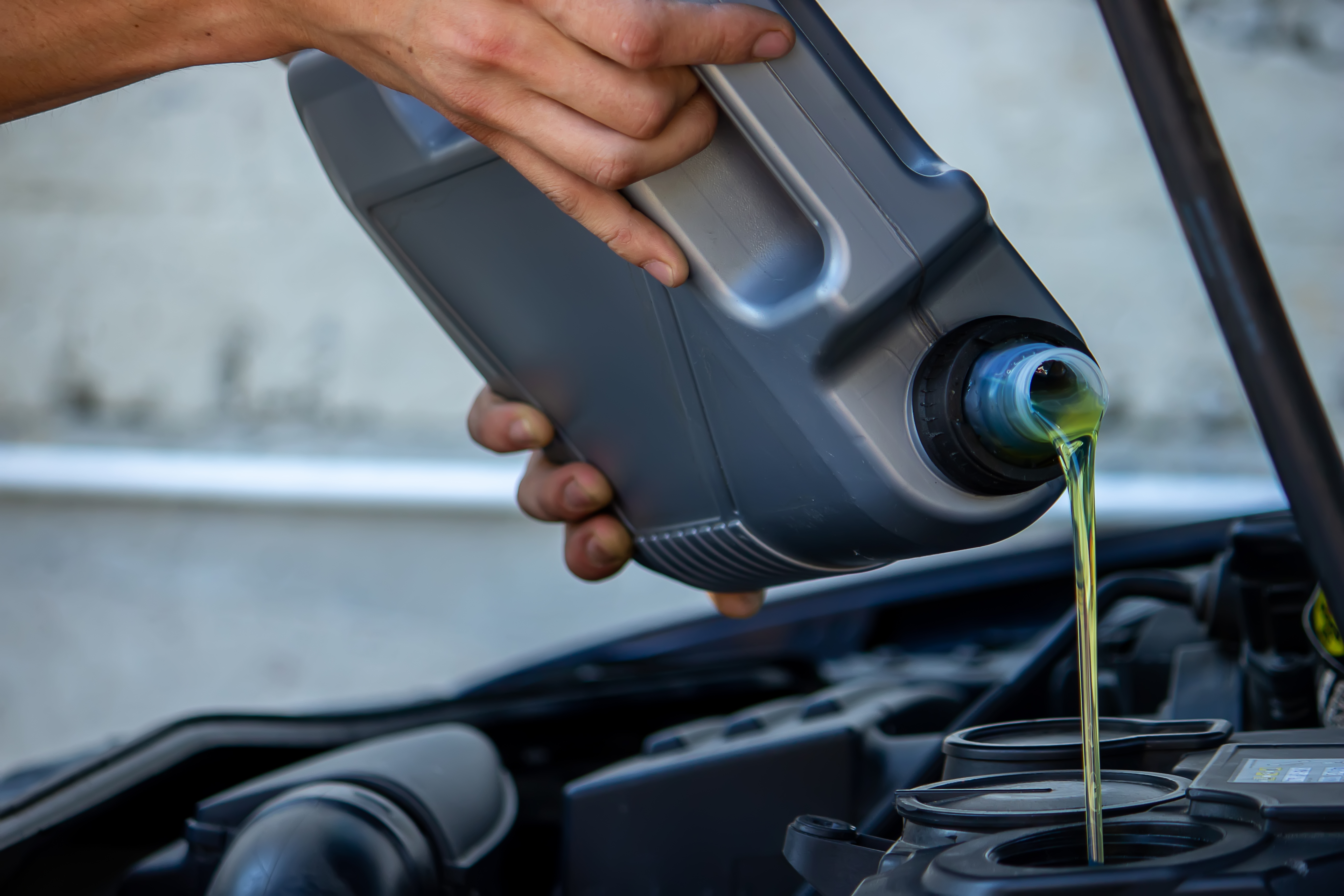
As summer approaches, it's essential to prepare your vehicle for the challenges that come with higher temperatures. One critical aspect of summer vehicle maintenance is the oil change. This month's blog post discusses the importance of regular oil changes, how summer conditions affect your engine oil, and what you can do differently with your oil change routine during the hot summer months.

The Importance of Oil Changes

Regular oil changes are vital for maintaining your vehicle's engine health. Engine oil lubricates the moving parts, reduces friction, and helps dissipate heat. Over time, oil breaks down and becomes contaminated with dirt, debris, and combustion by-products, which can lead to increased engine wear and reduced performance. If you are not getting regular oil changes, you may be impacting your overall vehicle health and performance.

How Summer Conditions Affect Engine Oil

Summer heat can significantly impact your engine oil in several ways:

Increased Oil Temperature: Higher ambient temperatures cause the engine oil to heat up more quickly and reach higher temperatures.  Oil degrades quicker and the efficacy of lubrication is significantly reduced.

Thinning of Oil: As temperatures rise, engine oil tends to thin out, reducing its ability to form a protective film

Read more

Page 3 of 4