


Bell Road Automotive repair experts blog

Check Engine Light

Check Engine Light

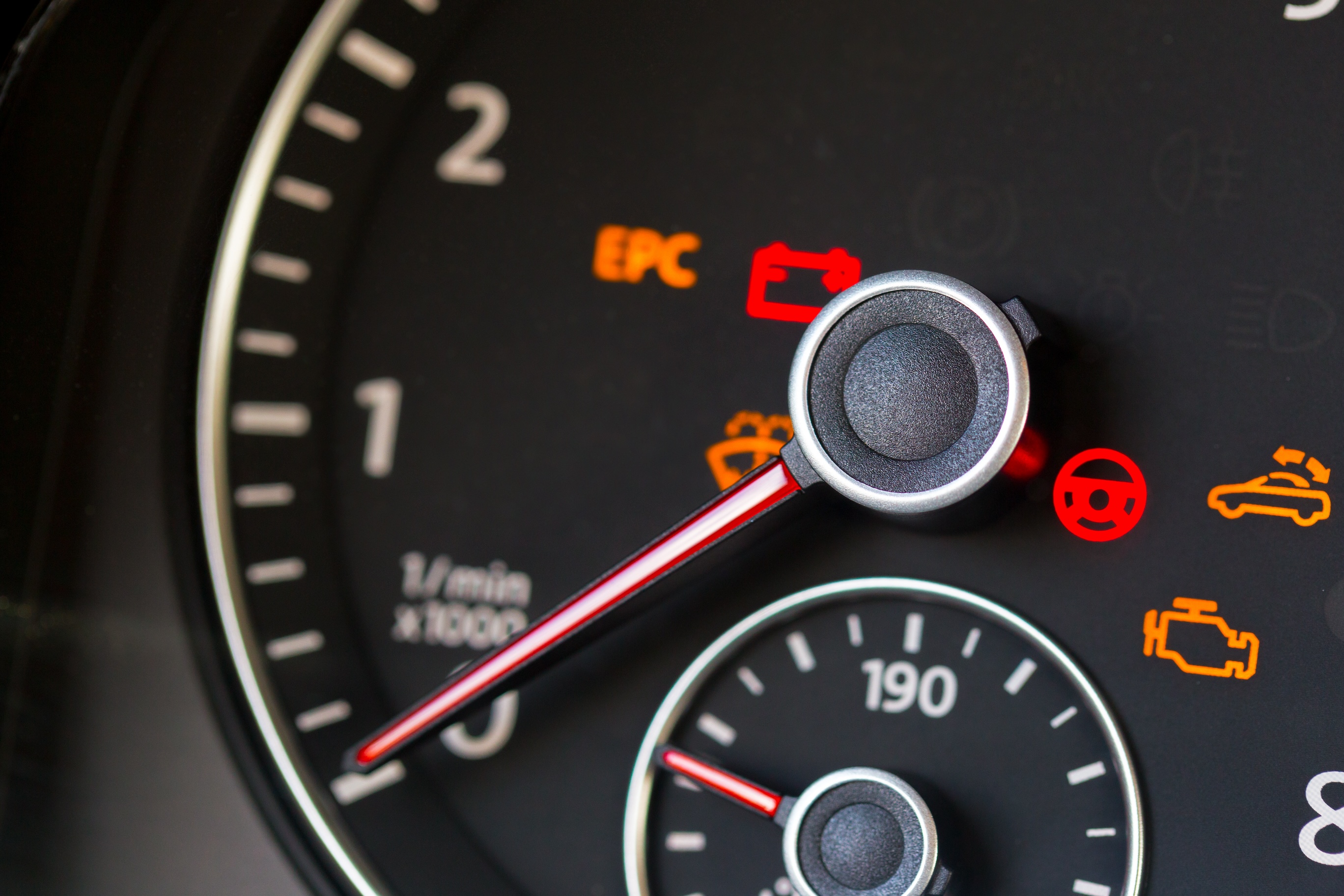
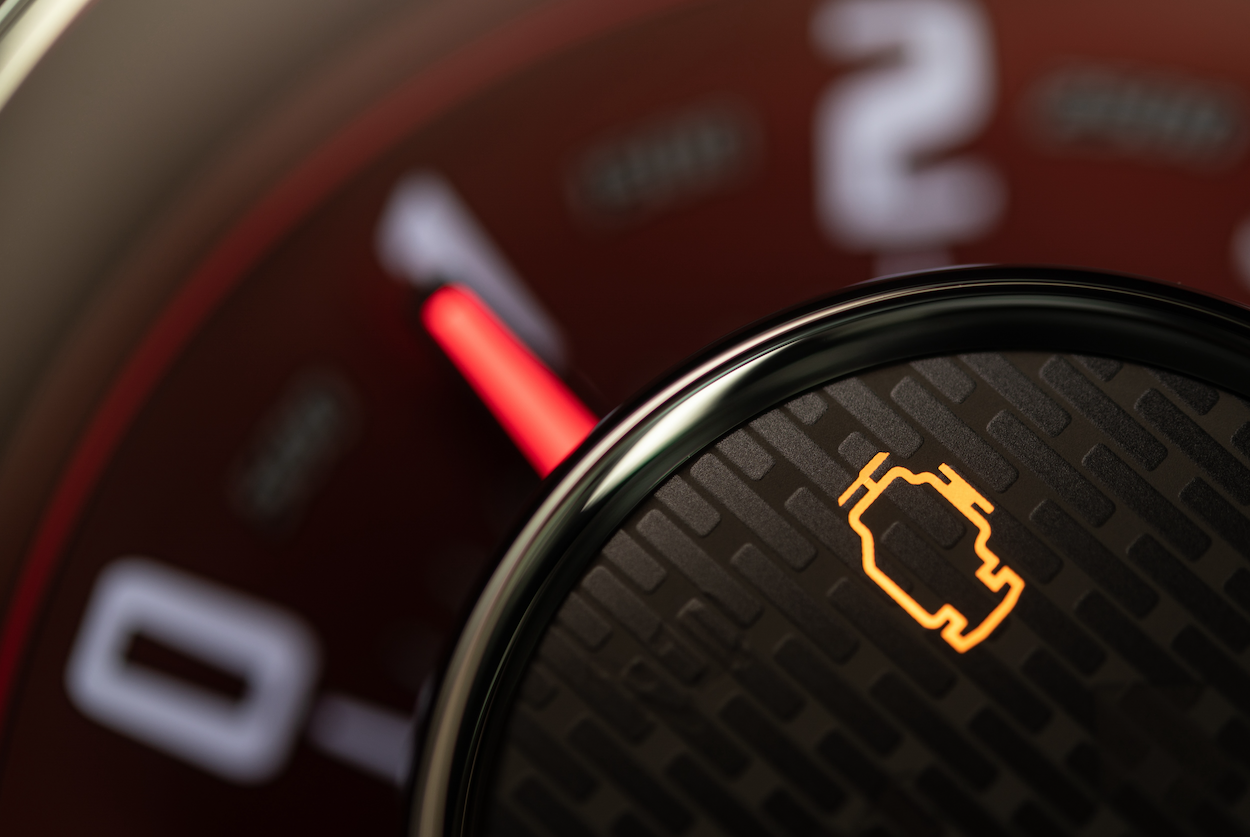
The check engine light is a significant feature in your vehicle's dashboard that should never be ignored. When it illuminates, it's your vehicle's way of telling you that something is wrong under the hood. But don't panic, in this month's blog post we explore what it means, potential causes, and how to handle it effectively.

What Does the Check Engine Light Indicate?

The check engine light is part of your vehicle's onboard diagnostics system (OBD). When the OBD detects an issue within your vehicle's engine, transmission, or emission system, it triggers the light. While some problems are minor, others may require immediate attention to avoid further damage or unsafe driving conditions.This light differs from the Service Engine Soon warning light, which typically means it is time for service for the vehicle.

Common Causes of the Check Engine Light

Here are some potential reasons this light might appear:

  • Loose or Faulty Gas Cap: A damaged or improperly tightened gas cap can cause fuel vapor leaks, which trigger the light.
  • Worn-Out Spark Plugs or Ignition Coils: These are essential for the engine's combustion process, and issues here can lead to misfires.
  • Malfunctioning Oxygen Sensor: This sensor monitors the oxygen
Read more

Avoid Cooling System Failure

Avoid Cooling System Failure

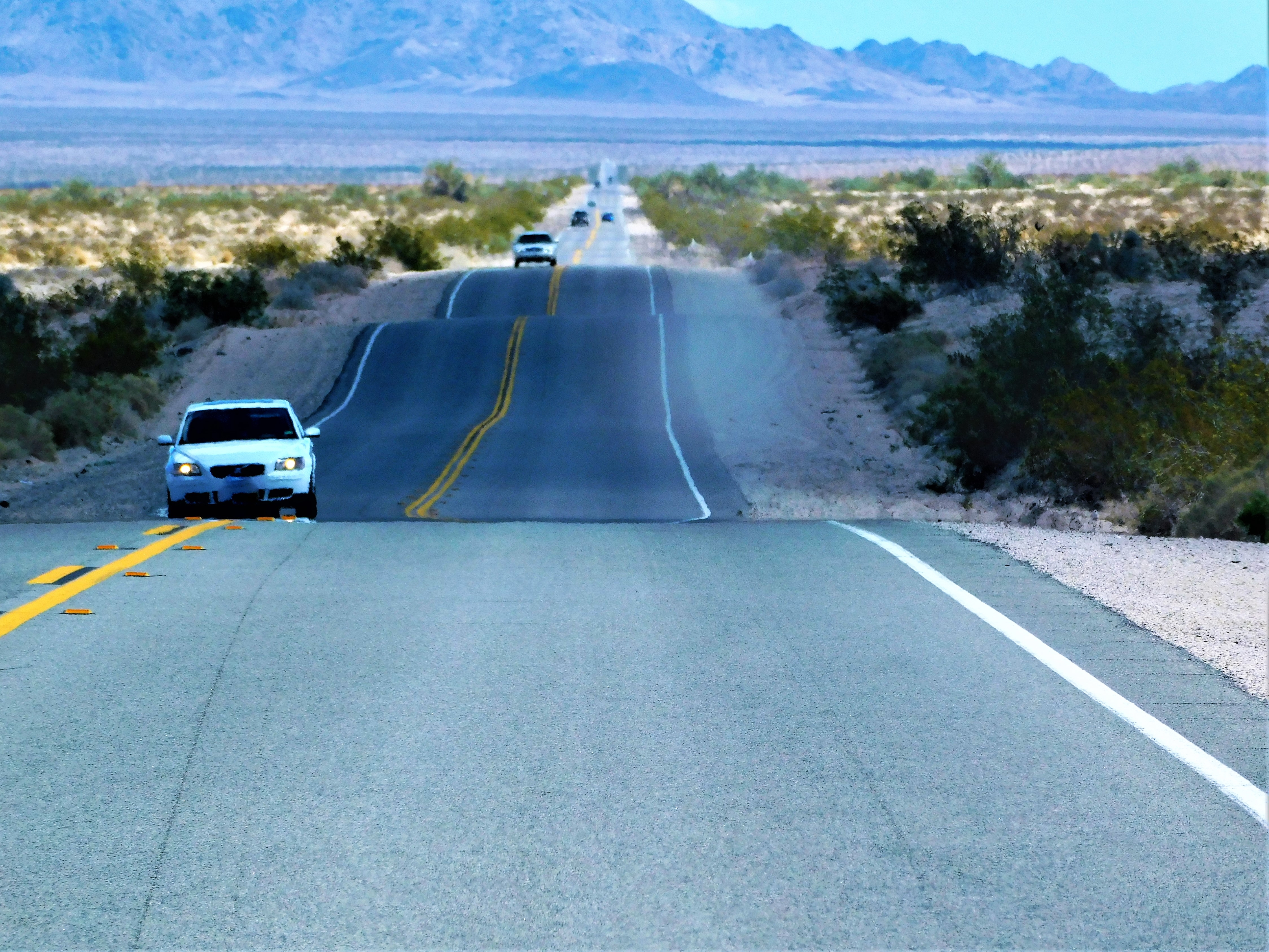
Spring in Arizona might bring beautiful weather, but for your vehicle, it's a wake-up call that hotter days are ahead. One of the most common issues this time of year is cooling system failure, with hoses bearing the brunt of the damage. In this month's blog post, we review how you can save your vehicle from costly repairs and roadside breakdowns with proper maintenance and care of your vehicle cooling system.

Springtime and Vehicle Cooling Systems

  1. Rising Temperatures: While winter's cooler temperatures may have masked underlying issues in your cooling system, the onset of spring often exposes them. As Arizona heats up, coolant temperatures rise, putting added strain on hoses, clamps, and connections.
  2. Age and Wear: Over time, rubber hoses deteriorate due to exposure to heat, chemicals, and the natural aging process. Cracks, bulges, and leaks are more likely to appear under the increased thermal stress of springtime conditions.
  3. Delayed Maintenance: Many drivers delay cooling system maintenance during winter, assuming the system is not in constant use. By spring, neglected coolant quality, low fluid levels, or old hoses often lead to sudden failures.
  4. Seasonal Pressure Changes: Fluctuating day-to-night temperatures in spring can cause expansion and contraction
Read more

Protect Your Vehicle From Sun Damage

Protect Your Vehicle From Sun Damage

When we think of sun damage to our vehicles, we often focus on the paintwork. However, the sun's harsh rays can also wreak havoc on plastic and rubber seals, especially in our hot Arizona climate. These seals are crucial for keeping your vehicle's interior protected from the elements and neglecting them can lead to significant issues. In this month's blog post, we explore the potential damage, signs to watch for, and how to repair and protect these vital components.

Possible Damage to Seals

Plastic and rubber seals around windows, doors, and other parts of your vehicle can become brittle and cracked due to prolonged exposure to UV rays and high temperatures. This deterioration can lead to water leaks, wind noise, and reduced overall integrity of the vehicle's structure. Additionally, damaged seals can allow dust, dirt, and other contaminants to enter the cabin, causing further wear and tear.

Signs of Damage

To catch sun damage early, look for these signs:

  • Cracks and Splits:  Visible cracks and splits in the seals are a clear indication of damage.
  • Discoloration:  Fading or discoloration of the seals can signal UV damage.
  • Dry and Brittle Texture:  If the seals feel dry and brittle
Read more

Page 2 of 4