



Bell Road Automotive repair experts blog

Air Conditioning Maintenance and Repair

Air Conditioning Maintenance and Repair

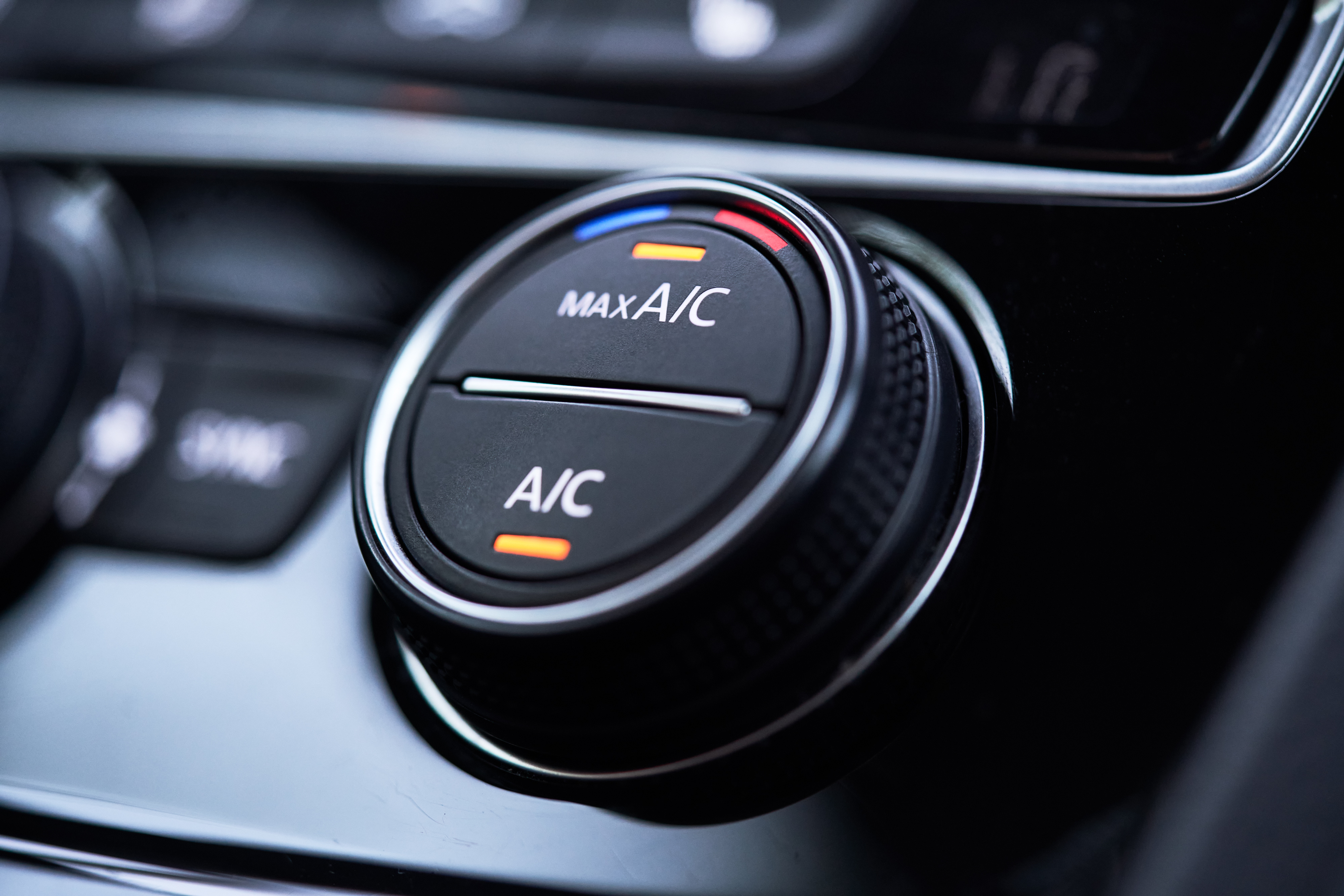
As the mercury rises in Phoenix, ensuring your vehicle's air conditioning system is in top shape becomes not just a comfort, but a necessity. The intense Arizona heat can take a toll on your air conditioning, leading to uncomfortable rides and potentially costly repairs. In this month's blog post, we explain the main components of your vehicle's A/C system, what causes it to fail, and how to properly maintain it.

Components of the A/C System

Your vehicle's air conditioning system is composed of several key components:

  •      Compressor: The heart of the system, compressing the refrigerant and circulating it through the system.
  •      Condenser: Typically located in front of the radiator, it cools the refrigerant from a gas to a liquid.
  •      Expansion Valve: Regulates the flow of refrigerant into the evaporator.
  •      Evaporator: Located inside the cabin, it absorbs heat from the air, cooling the interior.
  •      Receiver/Dryer or Accumulator: Filters debris and moisture from the refrigerant.

Common Causes of Failure

In the scorching heat of Arizona, several factors can lead to the failure of your A/C system:

  • Refrigerant Leaks: The most common issue you may experience is a leak of the refrigerant that
Read more

Cooling System Care

Cooling System Care

It's that time of year again when the temperatures begin to steadily rise.  If this year is anything like last year, now is the time to get your vehicle's cooling system checked and/or serviced.  In this month's blog post, we review the components of your vehicle's cooling system, the common issues you may experience, and how to keep it maintained to survive those sweltering days.

Understanding the Cooling System

The cooling system is a crucial component of your vehicle, especially during the intense Arizona summers. It helps regulate the engine temperature, preventing overheating and ensuring optimal performance. Let's break down the primary components:

  1. Radiator: The radiator dissipates heat from the engine. Over time, it can become clogged or damaged, leading to inefficient cooling.
  2. Thermostat: This valve regulates coolant flow through the engine. A malfunctioning thermostat can cause the engine to run too hot or too cold.
  3. Water Pump: Responsible for circulating coolant, the water pump can wear out or fail, resulting in engine overheating.
  4. Hoses and Belts: These components connect various parts of the cooling system. Worn-out hoses and belts can lead to leaks or reduced efficiency.
  5. Coolant: The fluid that absorbs heat from the
Read more

Spring Vehicle Care to Get You Through the Hot Summers in Phoenix

Spring Vehicle Care to Get You Through the Hot Summers in Phoenix

As the chillier days of winter fade away, it's time to prepare your vehicle for the impending scorching Arizona heat. Proper spring maintenance ensures your vehicle runs smoothly, prevents costly repairs, and keeps you safe. In this month's blog post, we share a comprehensive checklist to get your vehicle prepared for the warmer months:

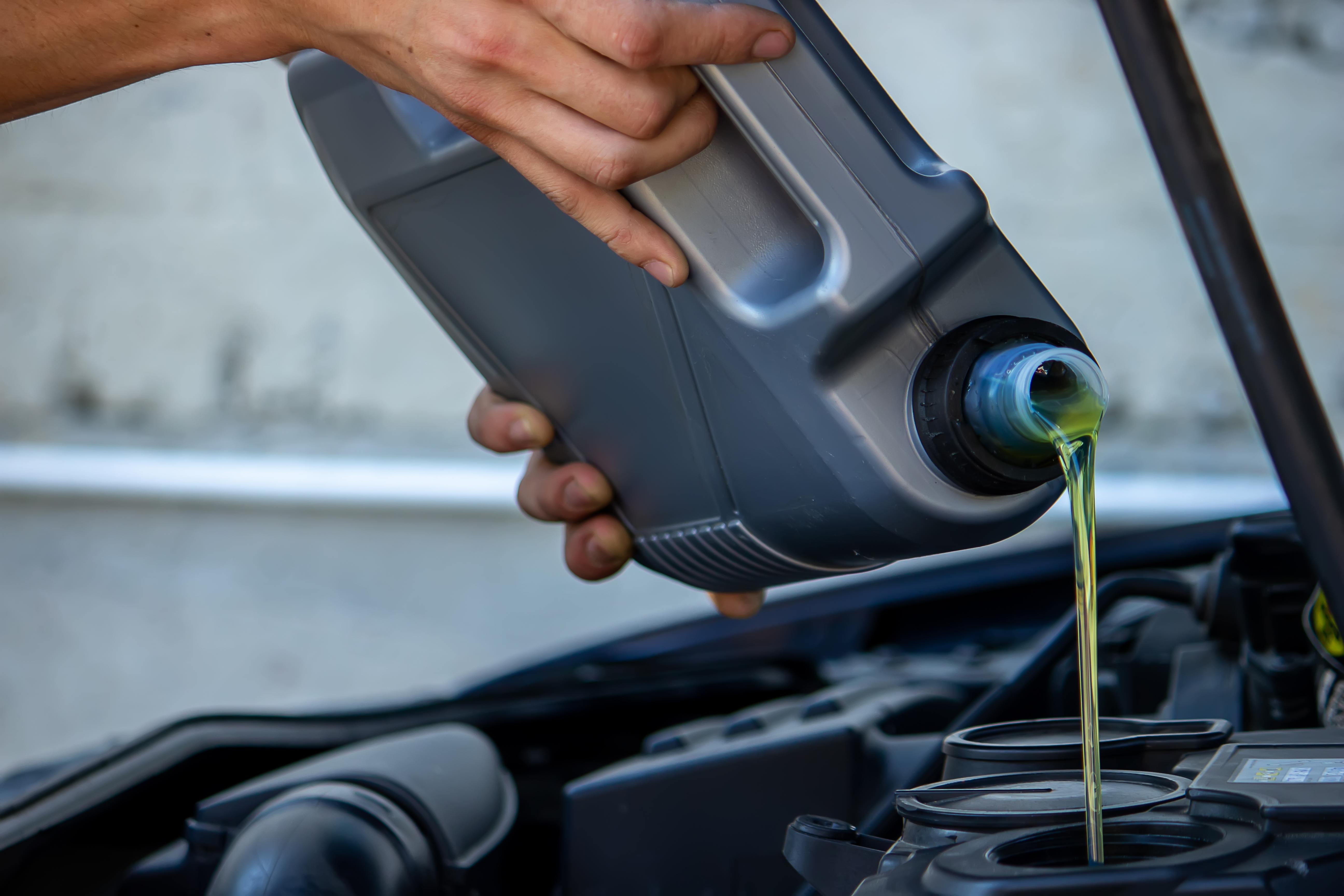
1. Change Your Engine Oil

You can start by scheduling an oil change. Fresh oil lubricates your engine, improves fuel efficiency, and prolongs life. Oil is an important temperature regulator for your engine in high temperatures, so using the recommended oil grade designed for hot climates is vital. Choose a motor oil with a higher viscosity, which makes it thicker and better able to protect parts than a thinner, lower-viscosity oil.

2. Inspect and Top Up Fluids

Fluids are essential for your vehicle's performance. Check the following:

  • Engine Oil: Look for proper levels and any signs of aging or contamination.
  • Transmission Fluid: Ensure it's at the right level.
  • Engine Coolant: Make sure it's a 50/50 mix of coolant and water.
  • Brake Fluid: Check for leaks and top up if needed.
  • Power Steering Fluid: Verify the level.
  • Differential and Transfer Case Fluids
Read more

Page 3 of 4