


Bell Road Automotive repair experts blog

Power Steering System Issues

Power Steering System Issues

Living in the Phoenix metro area presents unique challenges for vehicle maintenance. While many drivers focus on tire pressure or cooling systems during the blistering summer months, one critical component often escapes notice until it begins to fail: the power steering system. In the Valley of the Sun, steering hydraulics face an accelerated aging process that does not conclude when the calendar turns to January.  In this blog, we examine how the desert climate impacts your vehicle's steering system, the warning signs of issues, and maintenance tips to keep your vehicle's steering system healthy.

Common Power Steering Issues in Arid Climates

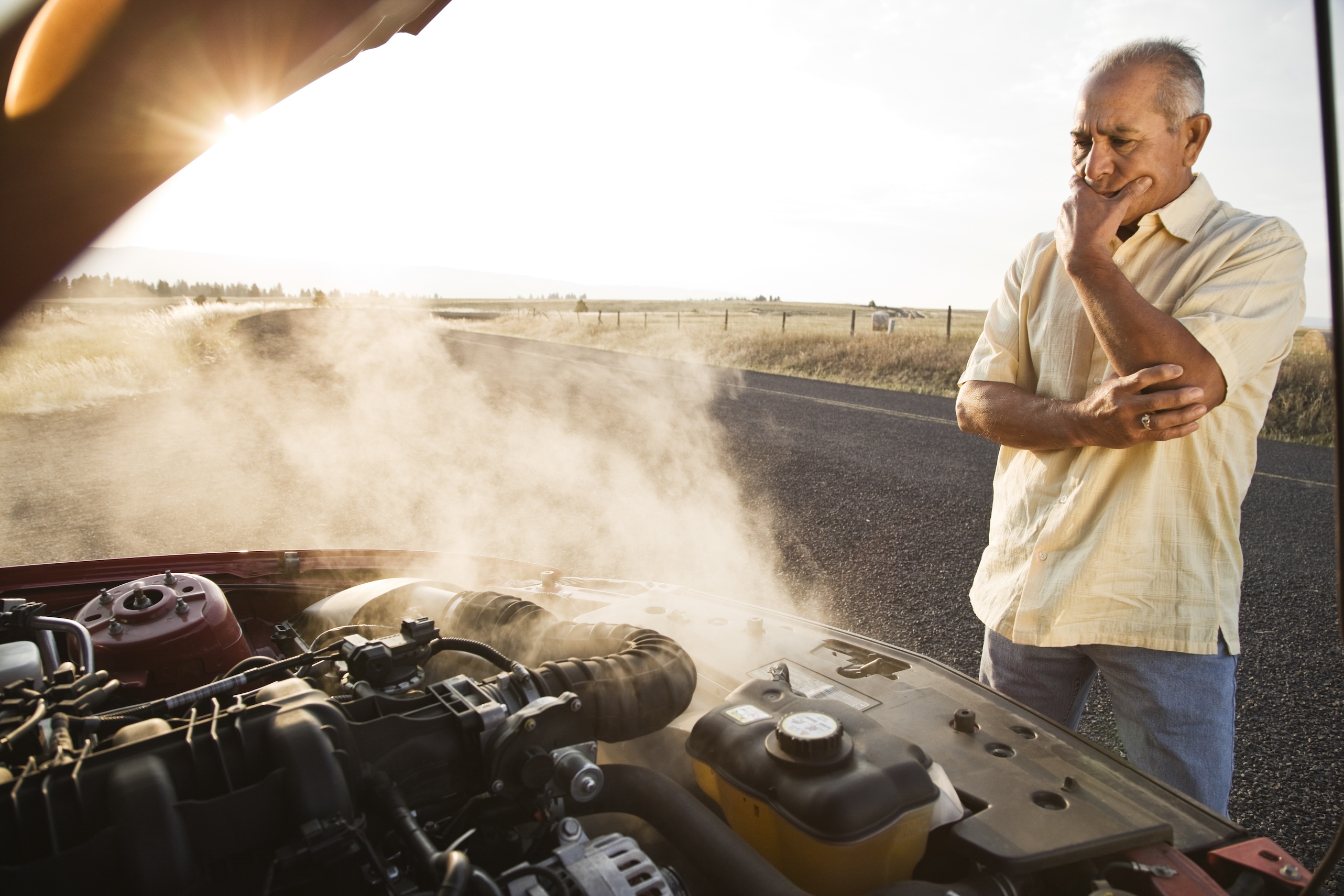
Power steering systems rely on hydraulic fluid to transfer power from the pump to the steering gear. In Arizona, the primary enemy is thermal oxidation. When power steering fluid is subjected to consistent heat, it undergoes a chemical breakdown that changes its viscosity.

As the fluid thins and degrades, it can no longer protect the internal metal components of the pump. This leads to increased friction, which generates even more heat, creating a destructive cycle. Over time, this heat also causes the rubber hoses and O-rings within the system to become brittle and prone to leaks, potentially leaving

Read more

Brake Pad Wear

Brake Pad Wear

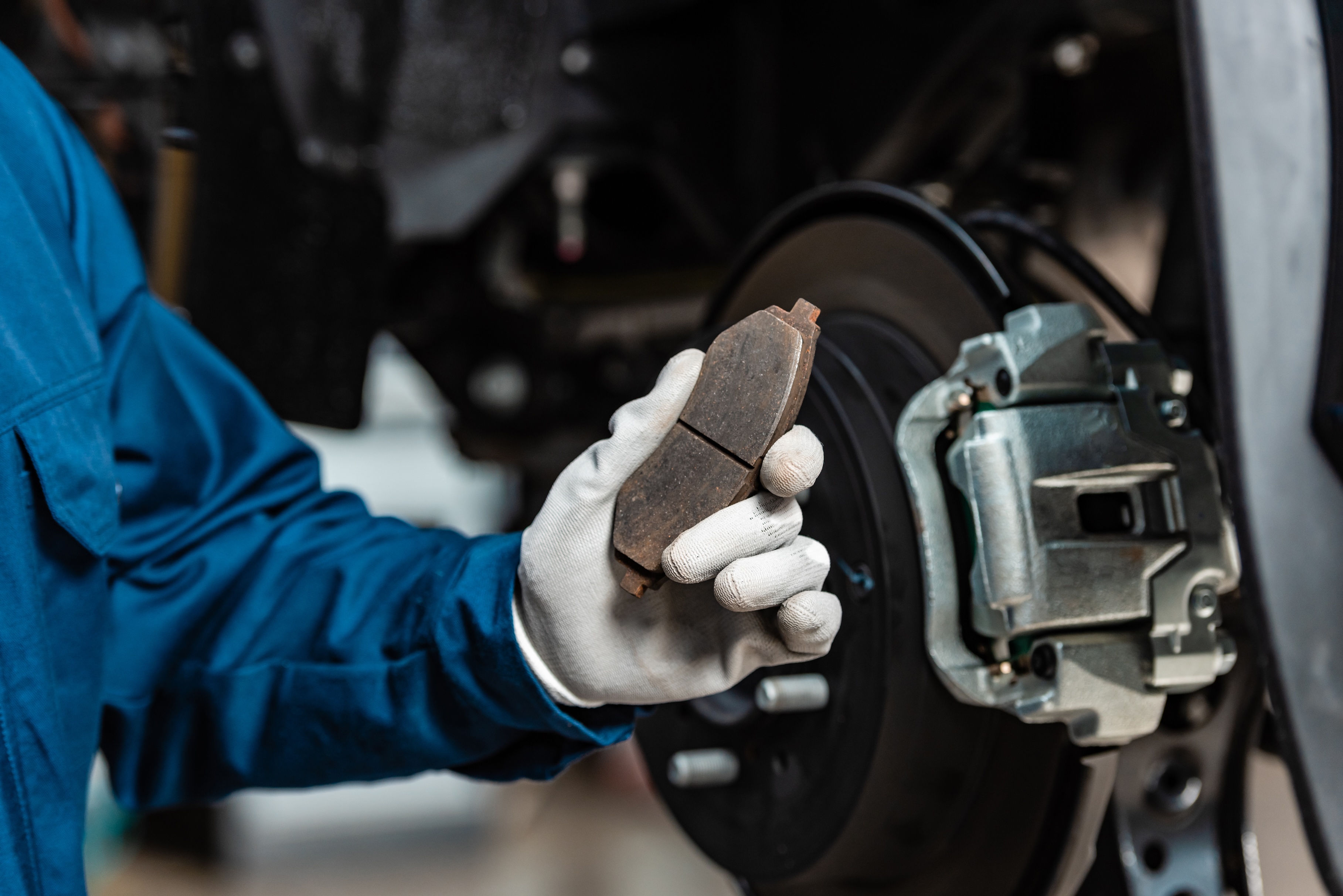
Your vehicle's braking system is arguably its most vital safety feature. While many components work together to bring your vehicle to a safe stop, the brake pad performs the critical, high friction work often taken for granted. In this month's blog, we review how these components function, how to recognize when they need attention, and good maintenance habits crucial for road safety.

How Brake Pads Bring You to a Stop

The entire braking process hinges on converting movement (kinetic energy) into heat (thermal energy) using friction.

1.  Driver Action: When you press the brake pedal, it initiates a hydraulic sequence.

2.  Force Application: Pressurized brake fluid activates the calipers, which act like a clamp.

3.  Friction: The calipers forcefully press the attached brake pads against the spinning rotors (discs). This contact generates the friction needed to slow or stop the wheels.

Common Brake Pad Signs and Issues

  • High-Pitched Squeal: The pad is nearing its replacement limit. Most modern pads have a built-in metal wear indicator that makes this noise when the material is critically thin.
  • Deep Grinding Noise: The pad material is completely gone. The metal backing plate of the pad is now grinding directly against the metal
Read more

The Serpentine Belt

The Serpentine Belt

As summer fades and cooler fall temperatures begin to settle in across the Phoenix metropolitan area, it's the perfect time to give your vehicle a seasonal check-up. One component that deserves special attention is the serpentine belt—a small but essential part that keeps your engine's systems running smoothly.  In this month's blog post, we examine the serpentine belt, its purpose and function, and common issues that you may experience when it is not operating effectively.

What Is a Serpentine Belt?

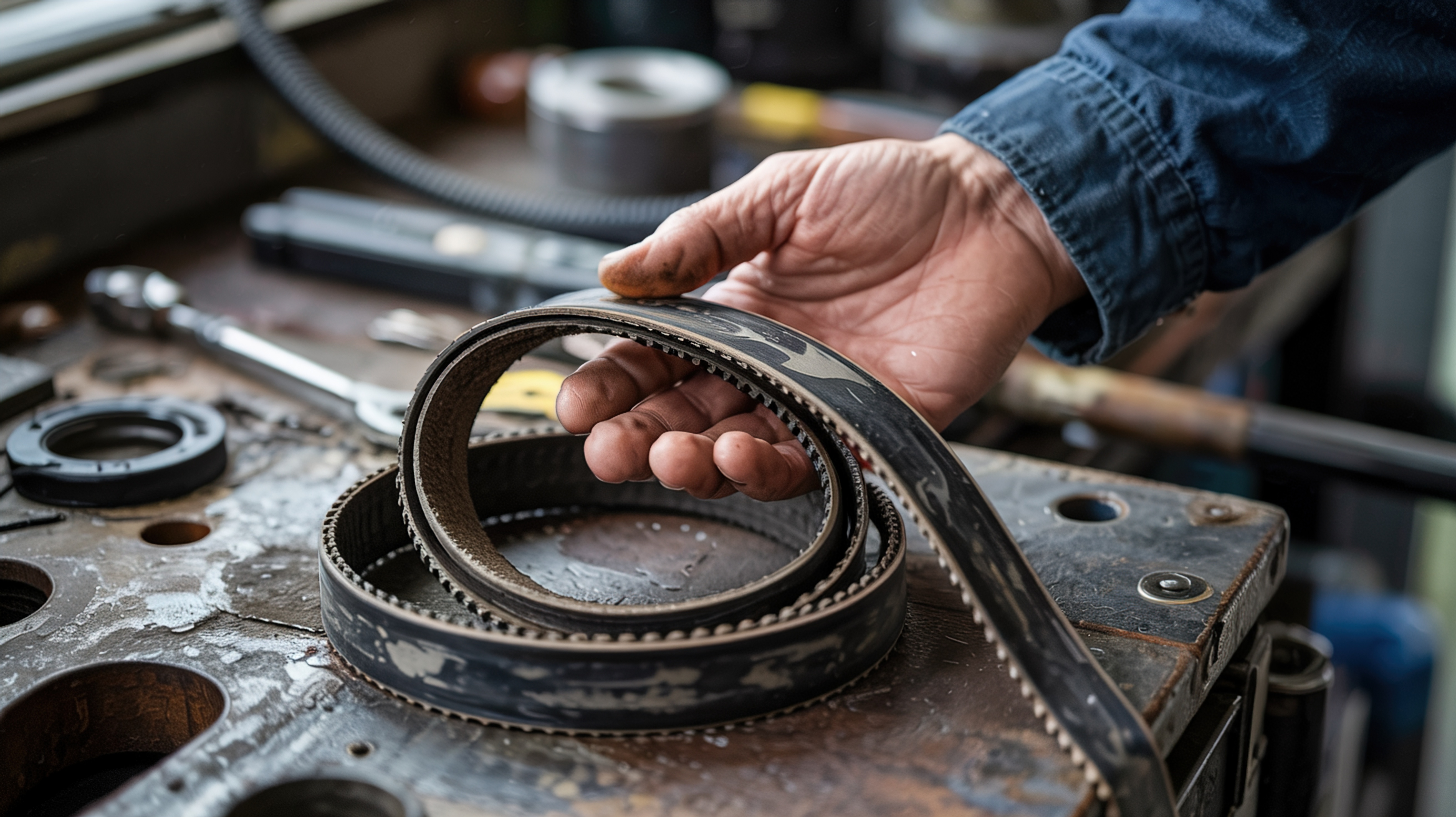
The serpentine belt is a long, winding belt that powers multiple critical components in your vehicle. The belt is typically made from reinforced rubber compounds designed to withstand high temperatures, friction, and mechanical stress. It drives the alternator, power steering pump, air conditioning compressor, and often the water pump. In modern vehicles, this single belt replaces the multiple belts used in older models, making it a central player in your vehicle's operation.

Why It Matters in Fall

After a long, hot Phoenix summer, your vehicle has endured months of high temperatures and heavy A/C use. Heat accelerates wear on rubber components like the serpentine belt, which can become brittle, cracked, or glazed. As fall arrives, cooler weather may mask underlying

Read more

Page 1 of 4