



Bell Road Automotive repair experts blog

Steering Wheel Vibration

Steering Wheel Vibration

Most vehicle owners expect a smooth and steady driving experience. When the steering wheel begins to vibrate or shake, it can quickly become concerning. In many cases, this type of vibration is a sign that something within the vehicle needs attention. In this month’s blog pose, we break down the common causes for a vibrating steering wheel and how each one is addressed.  

When Does the Steering Wheel Vibrate?

The source may be minor, such as wheel balance, or it could point to a larger mechanical issue.  Understanding when the vibration occurs can provide helpful clues. The timing of the vibration, whether during braking, acceleration, or highway driving, often helps technicians identify the underlying cause. 

Below are several common reasons a steering wheel may vibrate and how they are typically repaired.

1.  Drivetrain Issues

  • Common symptoms:
    Vibration that appears during acceleration or occurs at certain speeds.
  • Possible causes:
    Components within the drivetrain transfer power from the engine to the wheels. If parts such as universal joints, CV joints, or the driveshaft begin to wear or become damaged, vibration can occur. Engine or transmission mounts that have deteriorated can also allow excess movement that is felt through the steering wheel.
  • Typical repair:
Read more

Power Steering System Issues

Power Steering System Issues

Living in the Phoenix metro area presents unique challenges for vehicle maintenance. While many drivers focus on tire pressure or cooling systems during the blistering summer months, one critical component often escapes notice until it begins to fail: the power steering system. In the Valley of the Sun, steering hydraulics face an accelerated aging process that does not conclude when the calendar turns to January.  In this blog, we examine how the desert climate impacts your vehicle's steering system, the warning signs of issues, and maintenance tips to keep your vehicle's steering system healthy.

Common Power Steering Issues in Arid Climates

Power steering systems rely on hydraulic fluid to transfer power from the pump to the steering gear. In Arizona, the primary enemy is thermal oxidation. When power steering fluid is subjected to consistent heat, it undergoes a chemical breakdown that changes its viscosity.

As the fluid thins and degrades, it can no longer protect the internal metal components of the pump. This leads to increased friction, which generates even more heat, creating a destructive cycle. Over time, this heat also causes the rubber hoses and O-rings within the system to become brittle and prone to leaks, potentially leaving

Read more

Brake Pad Wear

Brake Pad Wear

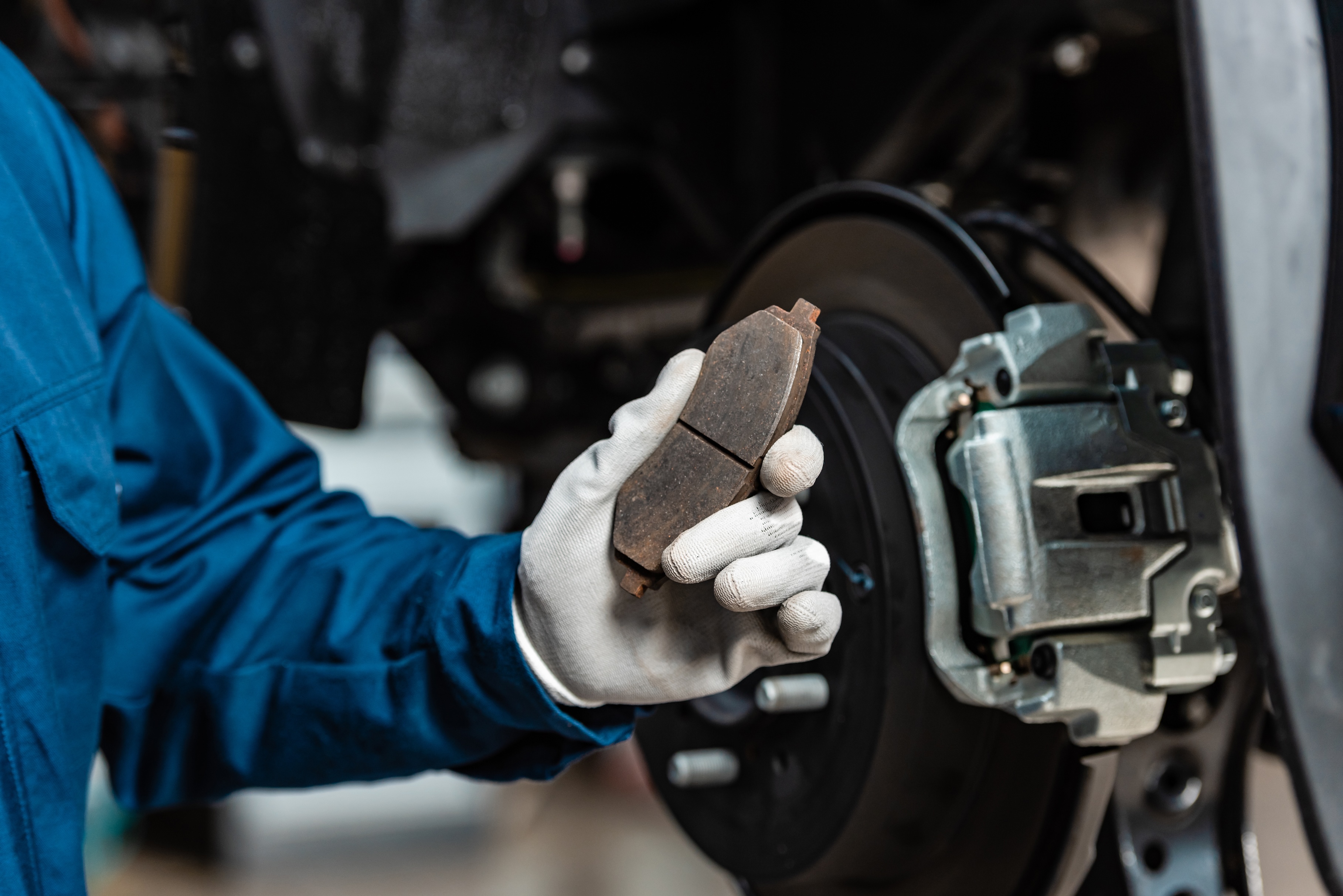
Your vehicle's braking system is arguably its most vital safety feature. While many components work together to bring your vehicle to a safe stop, the brake pad performs the critical, high friction work often taken for granted. In this month's blog, we review how these components function, how to recognize when they need attention, and good maintenance habits crucial for road safety.

How Brake Pads Bring You to a Stop

The entire braking process hinges on converting movement (kinetic energy) into heat (thermal energy) using friction.

1.  Driver Action: When you press the brake pedal, it initiates a hydraulic sequence.

2.  Force Application: Pressurized brake fluid activates the calipers, which act like a clamp.

3.  Friction: The calipers forcefully press the attached brake pads against the spinning rotors (discs). This contact generates the friction needed to slow or stop the wheels.

Common Brake Pad Signs and Issues

  • High-Pitched Squeal: The pad is nearing its replacement limit. Most modern pads have a built-in metal wear indicator that makes this noise when the material is critically thin.
  • Deep Grinding Noise: The pad material is completely gone. The metal backing plate of the pad is now grinding directly against the metal
Read more

Page 1 of 4