


Bell Road Automotive repair experts blog

Is Your Battery In Trouble?

Is Your Battery In Trouble?

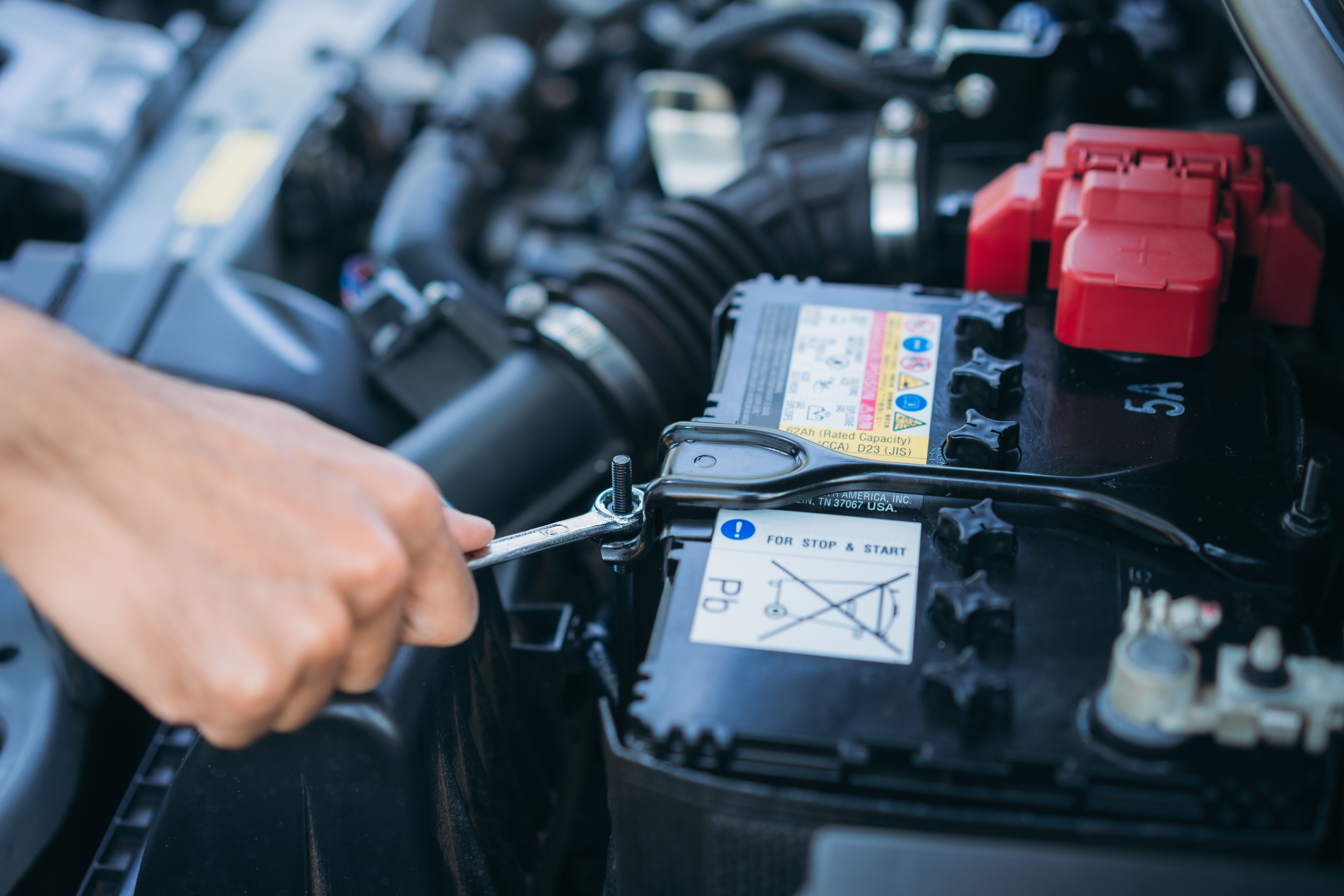
Most drivers think about the battery only when the vehicle will not start. But a weak battery can affect more than the first turn of the key or push of the start button. Modern vehicles depend on steady electrical power for computers, sensors, lights, safety systems, and comfort features. When the battery is weak, the vehicle may still start, but other problems can begin to show up.  In this month’s blog post, we share what to look for when your battery is in trouble, and ways to maintain your vehicle’s battery life.

What You May Notice

A failing battery is easy to detect through a variety of ways, including:

  • A slow crank when starting the vehicle, especially in the morning
  • Interior lights that look dim or flicker
  • A dashboard warning light that comes and goes
  • Power windows, locks, or accessories acting slower than normal
  • The vehicle needing a jump start more than once

These symptoms can be easy to brush off, especially if the vehicle starts after a second try. The problem is that a weak battery makes the charging system work harder. It can also create low-voltage issues that confuse electronic systems and lead to warning lights that are hard


Read more

Vehicle Cooling System Maintenance

Vehicle Cooling System Maintenance

Phoenix summers are not gentle on vehicles. When temperatures climb past 100 degrees and start pushing 110 or higher, your cooling system has a big job to do. It must keep the engine operating at the right temperature while your vehicle sits in traffic, moves through long freeway commutes, and bakes in parking lots.

If the cooling system is already weak, Arizona heat can turn a small issue into a serious problem quickly. In this month’s blog, we examine how to ensure your cooling system is ready for the hot Arizona weather.

Why the Cooling System Matters

Your cooling system does more than prevent overheating. It helps regulate engine temperature, protect internal engine parts, and keep your vehicle running reliably.

The system includes several parts working together, including coolant, radiator, hoses, thermostat, water pump, radiator cap, and cooling fans. If one part is not doing its job, the whole system can struggle.

On a mild day, a small problem may not be obvious. On a 110-degree day in Phoenix traffic, that same problem can leave you stuck on the side of the road.

Common Cooling System Problems

Some cooling system issues are easy to spot, while others build slowly over

Read more

Vehicle Sensors and Spring Weather

Vehicle Sensors and Spring Weather

Spring weather in Phoenix may feel gentle compared with winter conditions in other regions, but daily temperature changes can still influence how your vehicle operates. Cool mornings followed by warm afternoons create subtle shifts inside the engine that can impact engine sensors. When those adjustments are not smooth, you may experience rough idling, decreased fuel efficiency, or a vehicle that feels less responsive than normal. 

This month’s blog post explores how spring temperature fluctuations can disrupt key engine sensors and what steps you can take to reduce the likelihood of problems.

Mass Airflow Sensor

One of the primary sensors affected is the mass airflow sensor, often called the MAF sensor. Its role is to measure the amount of air entering the engine so the system can supply the correct amount of fuel. As temperatures rise and fall throughout the day, air density changes as well. These shifts can make it more difficult for the engine computer to interpret sensor readings, especially if the sensor is dirty or beginning to fail.

Possible signs of a MAF sensor issue include:

  • Rough idle
  • Hesitation when accelerating
  • Lower miles per gallon
  • Engine stalling at stoplights

Oxygen Sensor

Another essential component is the oxygen sensor.

Read more

Page 1 of 4